Portuguese delegation brought solidarity to Sahrawi refugee camps
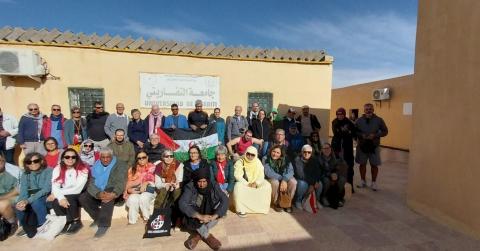
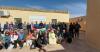
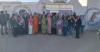
Between November 22 and 30, a Portuguese delegation visited the Sahrawi refugee camps located in Algeria.
The solidarity mission, organized by the CPPC in cooperation with the Associação Rotas Vermelhas, also included representatives from the General Confederation of Portuguese Workers – Intersindical Nacional, the National Federation of Teachers, the Democratic Women's Movement, the Union of Portuguese Anti-Fascist Resistance Fighters, the Portugal-Cuba Friendship Association, and the Yuri Gagarin Friendship and Cooperation Association, as well as other participants in an individual capacity.
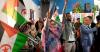
Settled in the Waila (refugee province/camp) of Bojador, the 33 participants were welcomed by Sahrawi families in their homes, where they ate, stayed overnight, and lived together, experiencing firsthand the daily life of the Sahrawi people, their resistance, their courage, and their hospitality. During their stay, the Portuguese delegation had the opportunity to witness the impressive organization of the camps, the careful distribution of the scarce resources available, the prominent participation of women at various levels of society, the special protection afforded to children, and the impressive popular mobilization in defense of their legitimate right to self-determination.
The Portuguese delegation met with the Prime Minister and the Ministers of Education and Culture of the Sahrawi Arab Democratic Republic. These meetings highlighted the Polisario Front's determination to continue the struggle for self-determination against the Moroccan occupation of Western Sahara and the so-called "autonomy plan," with which Morocco intends to confer a false "legality" to the occupation of territory and the theft of natural resources belonging to the Sahrawi people, namely phosphates and fish. The Sahrawi leaders reaffirmed their openness to negotiating any solution as long as it takes into account the opinion of the Sahrawi people, particularly through a fair referendum organized by the United Nations, as promised since 1991 and never fulfilled. In a meeting with the president of the Sahrawi Red Crescent, the institution that manages the distribution of humanitarian aid and which was celebrating its 50th anniversary that day, the Portuguese delegation learned about the role that the Sahrawi social organization plays in this entire process and the completely sovereign way in which it is managed, essential for guaranteeing criteria of equity.
In meetings with the General Workers' Union and the Women's Union, as well as at the Youth Union Congress, the participation of different social strata in organizing life in the camps and the efforts to involve Sahrawis living under occupation, deprived of rights, and also those in the diaspora, became evident.
During the visit to the National Museum of Sahrawi Resistance, as well as in contacts with the Association of Victims of Mines, the National Committee against Mines, and the Sahrawi National Commission for Human Rights, the crimes committed by Morocco were denounced – the thousands of deaths and amputations caused by mines and drones, the prisoners and those who disappeared in the occupied territories – and the courage of the Sahrawi resistance.
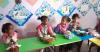
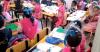
In visits to schools at various levels of education, to the University of Tifariti, and to the Textbook Production Center, the concern for children and the education of the new generation, who will be responsible for continuing the struggle for the self-determination and independence of the Sahrawi people and the management of the Sahrawi Arab Democratic Republic, became clear.
At the National Hospital and the Bojador Regional Hospital, the Portuguese delegation made contact with Sahrawi doctors and the Cuban medical brigade and learned about the numerous difficulties that exist, mainly related to the lack of equipment, professionals and medicines, and how to overcome them: it is certain that there are no epidemics in the refugee camps, there is a network of local and even home care, the vaccination rate is high and the number of births in hospitals has increased considerably.
It was also possible to visit a cooperative run by Sahrawi women, where some goods are produced, such as fabrics and food.
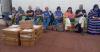
As it was a political mission, the visit to the refugee camps also provided an opportunity to deliver some materials that are needed for the daily life of the Sahrawi people: medicines, school supplies, food, dolls for the children (made and offered by the Associação Sénior Castrense) and books, collected by the José Saramago Foundation and other organizations as part of the “A Library in the Desert” project.
Before returning to Portugal, the Portuguese delegation spent two days in Algiers, where they met with the Algerian Committee of Solidarity with Western Sahara and the General Union of Workers of Algeria, and visited the National Museum of Martyrs.
The organizations participating in this solidarity trip will promote initiatives in Portugal to provide information about the situation of the Sahrawi people and the importance of solidarity and denunciation.
--/
Delegação portuguesa levou solidariedade aos campos de refugiados sarauís
Entre 22 e 30 de novembro, uma delegação poruguesa visitou os acampamentos de refugiados sarauís localizados na Argélia.
A missão de solidariedade, organizada pelo CPPC em cooperação com a Associação Rotas Vermelhas, integrou ainda representantes da Confederação Geral dos Trabalhadores Portugueses – Intersindical Nacional, da Federação Nacional de Professores, do Movimento Democrático de Mulheres, da União de Resistentes Antifascistas Portugueses, da Associação de Amizade Portugal-Cuba e da Associação de Amizade e Cooperação Iuri Gagarine, para além de outros participantes a título individual.
Instalados na Waila (província/campo de refugiados) de Bojador, os 33 participantes foram acolhidos por famílias sarauís nas suas casas e com elas comeram, pernoitaram e conviveram, tomando contacto direto com o dia-a-dia do povo sarauí, a sua resistência, a sua coragem, a sua hospitalidade. Durante a estadia, a delegação portuguesa teve a oportunidade de constatar a impressionante organização dos acampamentos, a criteriosa distribuição dos parcos recursos existentes, a destacada participação das mulheres aos vários níveis da sociedade, a proteção especial votada às crianças e a impressionante mobilização popular em defesa do seu legítimo direito à autodeterminação.
A delegação portuguesa esteve reunida com o primeiro-ministro e os ministros da Educação e da Cultura da República Árabe Sarauí Democrática. Destes encontros sobressaiu a determinação da Frente Polisário em prosseguir a luta pela autodeterminação, contra a ocupação marroquina do Sara Ocidental e o chamado “plano de autonomia”, com o qual Marrocos pretende conferir uma falsa “legalidade” à ocupação de território e ao roubo dos recursos naturais que pertencem ao povo sarauí, designadamente fosfatos e pescado. Os governantes sarauís reafirmaram a sua abertura para negociar qualquer solução desde que tenha em conta a opinião do povo sarauí, designadamente através de um referendo justo, organizado pelas Nações Unidas, como está prometido desde 1991 e nunca foi cumprido.
No encontro com o presidente do Crescente Vermelho Sarauí, instituição que gere a distribuição da ajuda humanitária e que naqueles dias comemorou o seu 50.º aniversário, a delegação portuguesa inteirou-se do papel que a organização social sarauí assume em todo este processo e do modo totalmente soberano como é gerido, essencial para a garantia de critérios de equidade.
Nas reuniões com a União Geral de Trabalhadores e a União de Mulheres, como no Congresso da União da Juventude, ficou evidente a participação das diferentes camadas sociais na organização da vida nos acampamentos e os esforços para envolver os sarauís que vivem sob ocupação, privados de direitos, e também os que se encontram na diáspora.
Na visita ao Museu Nacional da Resistência Sarauí, como nos contactos com a Associação de Vítimas das Minas, o Comité Nacional contra as Minas e a Comissão Nacional Sarauí de Direitos Humanos, foram denunciados os crimes cometidos por Marrocos – os milhares de mortos e amputados pelas minas e drones, os presos e os desaparecidos nos territórios ocupados – e a coragem da resistência sarauí.
Nas visitas a escolas de vários graus de ensino, à universidade de Tifariti e ao Centro de Produção de Manuais Escolares ficou clara a preocupação com as crianças e com a formação da nova geração, a quem caberá o prosseguimento da luta pela autodeterminação e independência do povo sarauí e a gestão da República Árabe Sarauí Democrática.
No Hospital Nacional e no Hospital regional de Bojador a delegação portuguesa contactou com médicos sarauís e com a brigada médica cubana e ficou a conhecer as inúmeras dificuldades existentes, relacionadas sobretudo com a falta de equipamentos, profissionais e medicamentos, e a forma de as superar: certo é que não há epidemias nos campos de refugiados, há uma rede de cuidados locais e até domiciliários, a taxa de vacinação é elevada e o número de partos em meio hospitalar aumentou consideravelmente.
Foi ainda possível visitar uma cooperativa gerida por mulheres sarauís, onde se produzem alguns bens, como tecidos e alimentos.
Tratando-se de uma missão política, a visita aos campos de refugiados constituiu também uma oportunidade para entregar alguns materiais que fazem falta à vida quotidiana do povo sarauí: medicamentos, material escolar, alimentos, bonecos para as crianças (feitos e oferecidos pela Associação Sénior Castrense) e livros, recolhidos pela Fundação José Saramago e outras organizações no âmbito do projeto “Uma Biblioteca no Deserto”.
Antes de regressar a Portugal, a delegação portuguesa esteve dois dias em Argel, onde manteve contactos com a Comité Argelino de Solidariedade com o Sara Ocidental e a União Geral de Trabalhadores da Argélia e visitou o Museu Nacional dos Mártires.
As organizações participantes nesta viagem de solidariedade irão promover iniciativas em Portugal de informação sobre a situação do povo sarauí e a importância da solidariedade e da denúncia da violação do direito internacional pelo Reino de Marrocos, exigindo-se:
- Fim da ocupação marroquina do Sara Ocidental; respeito pelos direitos nacionais do povo sarauí, nomeadamente, o seu inalianável direito à autodeterminação, a um Estado livre, independente e soberano;
- Realização de um referendo justo sob auspícios das Nações Unidas, prometido desde 1991;
- Protecção dos direitos humanos, incluindo os cívicos e políticos dos cidadãos sarauís nos territórios ilegalmente ocupados;
- Libertação dos presos políticos sarauís detidos em prisões marroquinas;
- Reconhecimento pelo Governo português da República Árabe Sarauí Democrática e a adopção, por parte deste, de uma posição interventiva, agindo em coerência com o direito dos povos à autodeterminação e independência, no respeito do artigo 7.º da Constituição da República Portuguesa.